

The Powerful Benefits of Physical Exercise
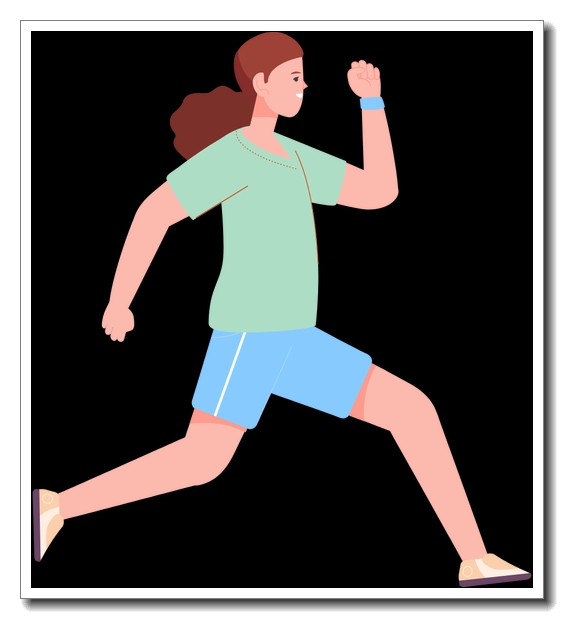
Physical exercise is more than just a way to stay in shape; it’s a fundamental pillar of overall health and well-being. Regular physical activity offers a vast array of benefits that extend far beyond physical appearance, impacting mental health, cognitive function, and disease prevention. Integrating exercise into your routine can significantly improve your quality of life.
Physical Health Benefits
The positiveeffects of exercise on the body are numerous and well-documented. Here are some key benefits:
- Improved Cardiovascular Health: Exercise strengthens the heart and improves blood circulation, reducing the risk of heart disease, stroke, and high blood pressure.
- Weight Management: Physical activity helps burn calories, which is essential for maintaining a healthy weight and preventing obesity. Combining exercise with a balanced diet is the most effective approach.
- Increased Muscle Strength and Endurance: Regular workouts build muscle mass and increase endurance, making everyday tasks easier and moreenjoyable.
- Enhanced Bone Density: Weight-bearing exercises help strengthen bones, reducing the risk of osteoporosis and fractures.
- Reduced Risk of Chronic Diseases: Exercise significantly lowers the risk of developing type 2 diabetes, certain cancers (e.g., colon and breast cancer), and other chronic conditions.
Mental Health and Cognitive Benefits
The benefits of exercise extend beyond the physical realm, offering significant advantages for mental and cognitive well-being.
- Reduced Stress and Anxiety: Exercise helps release endorphins, which have mood-boosting effects and can reduce stress and anxiety levels.
- Improved Mood and Self-Esteem: Regular physical activity can improve mood, boost self-esteem, and provide a sense of accomplishment.
- Better Sleep Quality:Exercise can regulate sleep patterns, leading to more restful and restorative sleep.
- Enhanced Cognitive Function: Exercise improves blood flow to the brain, which can enhance memory, focus, and overall cognitive function.
- Protection Against Cognitive Decline: Regular physical activity is associated with a lowerrisk of age-related cognitive decline and diseases like Alzheimer’s.
Getting Started and Staying Motivated
Starting an exercise routine can seem daunting, but it doesn’t have to be. Here’s some advice to get you started:
- Start Small: Begin with short, manageable workouts and gradually increase the duration and intensity.
- Find Activities You Enjoy: Choose exercises you find fun and engaging, whether it’s walking, running, swimming, dancing, or playing a sport.This will make it easier to stick to your routine.
- Set Realistic Goals: Set achievable goals and celebrate your progress along the way.
- Make it a Habit: Schedule exercise into your daily or weekly routine, just like any other important appointment.
- Find a Workout Partner: Exercising with a friend or family member can provide support and motivation.
- Listen to Your Body: Rest and recover when needed. Don’t push yourself too hard, especially when you’re just starting out. Pay attention to any painsignals.
Remember, even small amounts of physical activity can make a significant difference in your overall health and well-being. Embrace the power of exercise and enjoy the many rewards it offers!
Key improvements and explanations:ProperHTML Structure: The code is well-structured HTML, with a “, “, “, and “ tags. This ensures the document is correctly interpreted by web browsers.Semantic HTML: Uses `