

Maintaining Mobility: Exercise for the Elderly
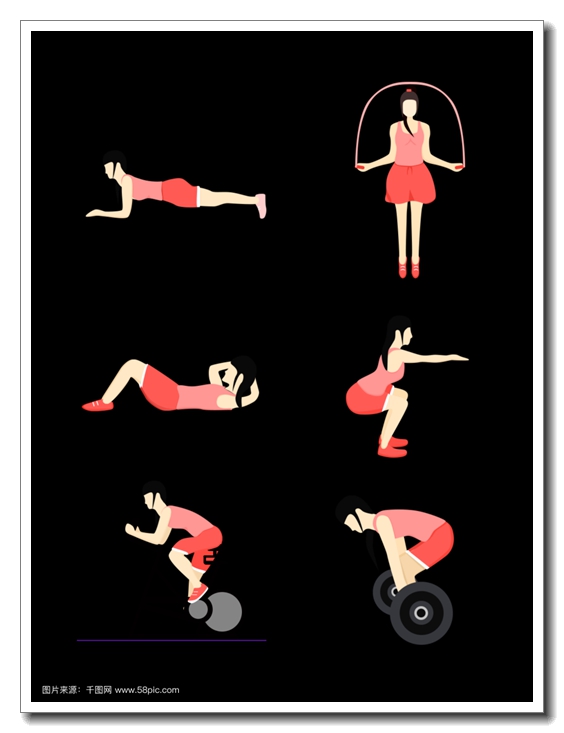
As we age, maintaining physical mobility becomes increasingly important for overall health and well-being. Regular exercise can play a crucial role in preserving independence, preventing falls, and enhancing quality of life for seniors. This article will explore the benefits of exercise for the elderly and provide guidance on safe and effective exercise routines.
Benefits of Exercise for Seniors
-
Improved Muscle Strength and Endurance:
Exercise helps maintain and increase muscle mass, which is vital for daily activities like walking, getting up from a chair, and carrying groceries. -
Enhanced Flexibility and Balance:
Regular stretching and balance exercises improve range of motion, reduce stiffness, and minimize the risk of falls. -
Reduced Risk of Chronic Diseases:
Exercise can help manage or prevent conditions like heart disease, diabetes, osteoporosis, and arthritis. -
Improved Mental Health:
Physical activity releases endorphins, which can boost mood, reduce stress and anxiety, and improvecognitive function. -
Increased Bone Density:
Weight-bearing exercises help to strengthen bones and reduce the risk of osteoporosis and fractures. -
Increased Energy Levels:
While it may seem counterintuitive, exercise can actually boost energy levels and reducefatigue.
Types of Exercises for the Elderly
1. Strength Training
Strength training involves using resistance to build muscle strength. This can include using weights, resistance bands, or even your own body weight.Focus on exercises that target major muscle groups such as legs, arms, and core. Start with a low weight or resistance and gradually increase it as you get stronger.
2. Aerobic Exercise
Aerobic exercises, also known as cardiovascular exercises, increase your heart rate and improve your cardiovascular health. Examples include walking, swimming, cycling, and dancing. Aim for moderate-intensity aerobic exercise for at least 150 minutes per week, spread throughout the week.
3. Flexibility and Stretching Exercises
Stretching exercises improve range of motion and flexibility. Examples include yoga, tai chi, and simple stretches. Holdeach stretch for 15-30 seconds, focusing on controlled movements. These exercises help prevent stiffness and improve balance.
4. Balance Exercises
Balance exercises help improve stability and reduce the risk of falls. Examples include standing on one foot, heel-to-toe walking, and usingbalance boards. Start with support, such as holding onto a chair, and gradually progress to unsupported exercises.
Important Considerations
-
Consult with a Doctor:
Before starting any new exercise program, consult with your doctor,especially if you have any underlying health conditions. -
Start Slowly:
Begin with short exercise sessions and gradually increase the duration and intensity as you get fitter. -
Listen to Your Body:
Pay attention to your body and stop if you feelany pain. -
Stay Hydrated:
Drink plenty of water before, during, and after exercise. -
Warm-up and Cool-down:
Always warm up before exercising and cool down afterward with gentle stretches. -
Find an Exercise Partner:
Exercising with a friend or family member can provide motivation and social support.
Conclusion
Incorporating regular exercise into your daily routine is a vital step inmaintaining mobility, improving overall health, and enhancing quality of life for seniors. By choosing activities you enjoy, starting slowly, and listening to your body, you can create a sustainable and beneficial exercise program that supports your health and well-being for years to come.
Key improvements andexplanations:Clear Structure: The HTML is well-structured with headings and paragraphs, making it easy to read. Uses `
`, `
`, `
-
`, `
`) for semantic meaning.Basic Styling: Includes internal CSS (within `
`) for semantic meaning.Basic Styling: Includes internal CSS (within `