

Exercise vs. Training: A Comparative Analysis of Benefits and Goals
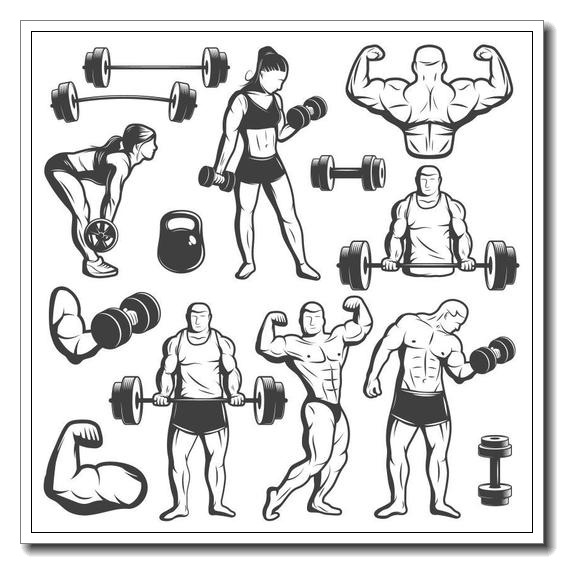
The terms “exercise” and “training” are often used interchangeably, but they represent distinct approaches to, on the other hand, is a more structured and goal-oriented approach to physical activity. It involves a systematic and planned program designed to improve a specific skill or performance. This often involves specific workouts, planned rest periods, and progressive overload to progressively challenge the body.
Key Differences: A Comparison
Here’s a table summarizing the key differences between exercise and training:
| Feature | Exercise | Training |
|---|---|---|
| Goal | General health, fitness, enjoyment | Specific performance improvement, competition, skill development |
| Structure | Less structured, can be spontaneous | Highly structured, planned workouts, often with a program |
| Intensity | Variable, can be moderate to vigorous | Often higher intensity, with periods of rest and recovery |
| Progression | May not involve planned progression | Incorporates progressive overload and planned increasein difficulty |
| Focus | Broad, addressing multiple aspects of fitness | Specific, targeting particular skills or physical attributes |
| Example Activities | Walking, jogging, dancing, recreational sports | Weightlifting for strength, marathon running, specific sport skills training |
Benefits of Exercise
The benefits of regular exercise are numerous and far-reaching:
-
Improved Cardiovascular Health: Strengthens theTraining, with its more focused approach, offers benefits that often go beyond those of general exercise:
- Enhanced Performance: Significant improvement in specific skills and physical abilities.
- Increased Strength and Endurance: Builds muscle mass and improves stamina.
- SpecificSkill Development: Refines techniques and strategies relevant to a particular sport or activity.
- Faster Progress Towards Goals: Provides a structured path to achieving fitness goals, such as running a marathon or lifting heavier weights.
- Mental Toughness: Develops discipline, focus, and resilience.
Choosing the Right Approach
The best approach depends on individual goals and preferences:
- For general health and well-being: Regular exercise is sufficient. Aim for at least 150 minutes of moderate-intensity or 75minutes of vigorous-intensity aerobic activity per week, along with strength training exercises at least two days a week.
- For specific performance goals or sport-related improvements: Structured training programs are essential. Consider consulting with a certified trainer or coach to develop a personalized training plan.
- Combiningboth: Many people benefit from a combination of both exercise and training. The exercise provides a foundation for general health and well-being, while training allows for the pursuit of specific goals.
Conclusion
Understanding the differences between exercise and training empowers individuals to make informeddecisions about their fitness journey. Whether the goal is to improve overall health, enhance athletic performance, or simply enjoy an active lifestyle, the key is to choose an approach that aligns with individual needs and aspirations. Remember to consult a healthcare professional before starting any new exercise or training program.