

The Importance of Duànliàn:Examining the Meaning of Exercise and Training in Chinese
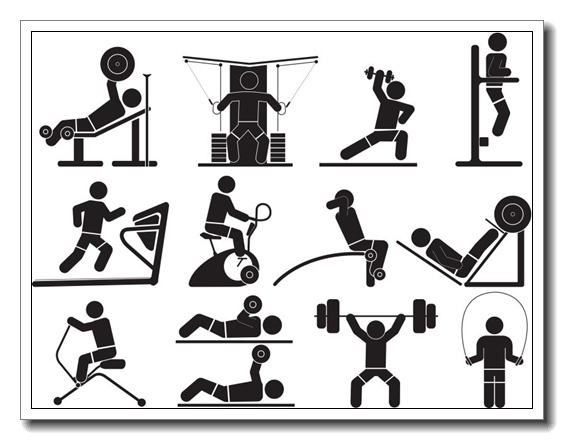
The Chinese term “duànliàn” (鍛鍊) encapsulates a multifaceted concept encompassing physical exercise, mental training, and character development. While often translated as simply “exercise” or “training,” the true essence of duànliàn lies deeper, reflecting a holistic approach to well-being that goes beyond mere physical activity.
Beyond Physical Fitness
Traditionally, duànliàn wasn’t solelyabout achieving physical strength. It encompassed rigorous practices designed to cultivate resilience, discipline, and perseverance. Martial arts, for example, frequently incorporated duànliàn techniques not just to hone physical skills, but also to enhance mental focus and emotional control.
In modern Chinese culture, theconcept of duànliàn continues to hold significant importance, but its understanding has evolved. While encompassing physical activities like running, weightlifting, and yoga, duànliàn now often includes a wider spectrum of activities, from intellectual pursuits to community engagement.
The Holistic Approach
One key aspect of duànliàn is its emphasis on self-improvement. It’s not simply about achieving a specific goal, but rather about fostering continuous growth and refinement through consistent effort. This holistic approach connects physical, mental, and spiritual well-being, emphasizing the profound impact exercise can have onthe individual’s overall character.
Examples of Duànliàn
From the rigorous training regimes of martial arts practitioners to the daily exercise routines of ordinary citizens, duànliàn permeates various aspects of Chinese life. The practice of “qi gong” (氣功), a form of energy cultivation, exemplifies this holistic approach, integrating physical postures, breathing techniques, and mental focus to promote overall well-being.
The concept of duànliàn encourages not just physical prowess, but also mental strength and resilience. It signifies a commitment to sustainedimprovement, fostering a sense of self-discipline and a striving for personal excellence, both physically and mentally.
Conclusion
The term “duànliàn” offers a rich understanding of the importance of exercise and training in Chinese culture. It goes beyond a mere physical activityto encompass a holistic approach to self-improvement, focusing on the cultivation of resilience, discipline, and personal growth. Exploring this deeper meaning sheds light on the holistic well-being perspective that underpins duànliàn.
Further Research:
Explore the connection between duànliàn and specific Chinese philosophies like Confucianism and Taoism to gain further insights into its multifaceted meaning.