

Distinguishing Duànliàn (Exercise) and its Related Terms: A Practical Guide
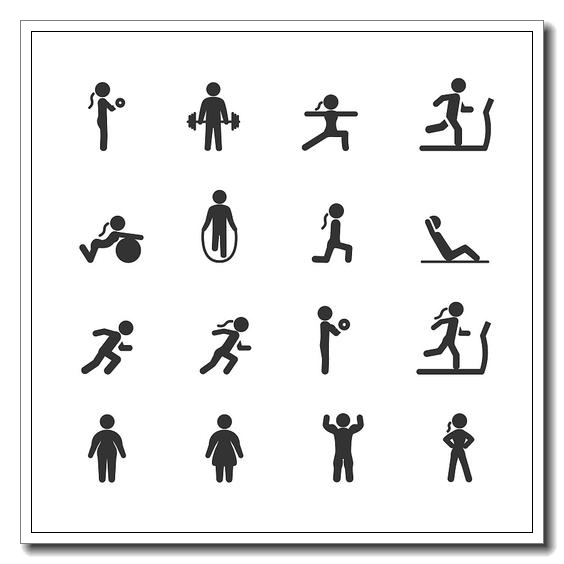
Understanding the nuances of Chinese martial arts terminology, particularly when discussing training, is crucial for accurate comprehension. This guide clarifies the meaning of “Duànliàn” (鍛鍊) and related terms.
What is Duànliàn (鍛鍊)?
Duànliàn (鍛鍊) is a broad term often translated as “exercise” or “training.” However, its implication is more specific, often signifying a focused, intentional process of honing a skill or physical attribute, especially in a martial arts context.Think of it as deliberate practice aimed at strengthening and refining. It goes beyond simple physical activity, encompassing mental discipline and focused effort.
Related Terms and Their Distinctions
Several terms are closely related to Duànliàn, each with slightly different connotations:
-
Liànliè (練習)
: This often translates as “practice” or “rehearsing.” It’s more about the repetition and execution of a technique, often without adirect focus on building strength or internal change like Duànliàn. It’s more about perfecting the form and application of an action. -
Xúliàn (修煉)
: This term carries a deeper spiritual or internal cultivation aspect. It’s often associated with practices aimed at developing internal energy or spiritual refinement, and commonly used in internal martial arts styles. -
Yùndòng (運動)
: This is a more general term for “exercise” or “physical activity.” It doesn’t necessarily carry the same implication of skill development or intent as Duànliàn. -
Gōngfū (功夫)
: Gōngfū is a multifaceted term, while Duànliàn often falls under the umbrella of Gōngfū training methods. It may refer to skills honed through Duànliàn or Liànliè.
Practical Application
When encountering these terms in martial arts contexts, consider the specific goal of the activity. Is it focused on technique refinement (Liànliè)? Is there an emphasis on physical strengthand skill building (Duànliàn)? Or is it a deeper, spiritual pursuit (Xúliàn)? Understanding the nuances will offer a more complete picture of the practice being described.
By understanding these subtle differences, you can better grasp the intended meaning and benefit from the specificpractice being described.