

Physical Activity for a Healthy Life
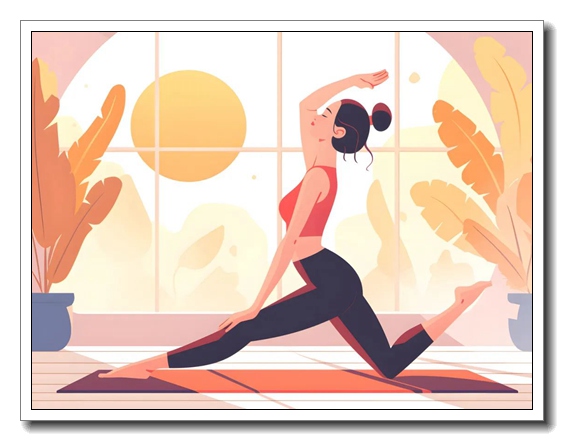
Living a healthy life is essential for overall well-being. One of the most critical components of a healthy lifestyle is regular physical activity. This article explores the numerous benefits of physical activity and provides guidance on incorporating it into your daily routine.
Why is Physical Activity Important?
Physicalactivity offers a wide range of benefits for both your physical and mental health. Engaging in regular exercise can significantly improve your quality of life and longevity. Here are some key benefits:
- Improved Cardiovascular Health: Regular exercise strengthens your heart and blood vessels, reducing the risk of heartdisease, stroke, and high blood pressure.
- Weight Management: Physical activity helps you burn calories and maintain a healthy weight, reducing the risk of obesity-related health problems.
- Stronger Bones and Muscles: Weight-bearing exercises help build and maintain bone density, preventing osteoporosis.Regular exercise also strengthens muscles, improving balance and reducing the risk of falls.
- Reduced Risk of Chronic Diseases: Physical activity can lower your risk of developing type 2 diabetes, certain types of cancer (such as colon and breast cancer), and other chronic illnesses.
- EnhancedMental Health: Exercise releases endorphins, which have mood-boosting effects. It can also reduce stress, anxiety, and symptoms of depression.
- Improved Sleep Quality: Regular physical activity can help you fall asleep faster and sleep more soundly.
- Increased Energy Levels: While it may seem counterintuitive, exercise can actually boost your energy levels and reduce fatigue.
Types of Physical Activity
There are various types of physical activities you can incorporate into your routine. The most effective approach is to engage in a variety of activities totarget different aspects of your fitness:
- Aerobic Exercise: Activities that elevate your heart rate, such as brisk walking, running, swimming, cycling, and dancing.
- Strength Training: Exercises that build muscle mass and strength, such as weightlifting, usingresistance bands, or bodyweight exercises (e.g., push-ups, squats).
- Flexibility Exercises: Stretching and yoga to improve your range of motion and flexibility.
- Balance Exercises: Activities that improve your balance, such as standing on one legor using balance boards. These are especially important for older adults.
How to Incorporate Physical Activity into Your Life
Making physical activity a regular part of your life doesn’t have to be daunting. Here are some practical tips:
- Start Small: Begin with short bursts of activity and gradually increase the duration and intensity as your fitness improves. Aim for at least 150 minutes of moderate-intensity or 75 minutes of vigorous-intensity aerobic activity per week.
- Find Activities You Enjoy:Choose activities that you find fun and engaging, so you’re more likely to stick with them. Experiment with different options until you find activities you look forward to.
- Set Realistic Goals: Avoid setting unrealistic goals that could lead to discouragement. Break down your goals into smaller, moremanageable steps.
- Schedule Your Workouts: Treat exercise like any other important appointment. Schedule time for physical activity in your week and stick to your schedule as much as possible.
- Find a Workout Buddy: Exercising with a friend or family member can provide motivation andaccountability.
- Make it Part of Your Daily Routine: Incorporate physical activity into your daily life by taking the stairs instead of the elevator, walking or cycling to work, or taking short activity breaks throughout the day.
- Listen to Your Body: Pay attention to your body’s signals and take rest days when needed. Don’t push yourself too hard, especially when you’re just starting out. Consulting with a doctor before beginning a new exercise routine is recommended, especially if you have any underlying health conditions.
Remember: Any amount of physical activity is better than none. Even small changes can make a significant difference in your overall health and well-being. Consistency is key! Make physical activity a priority, and you’ll reap the rewards for years to come.
This article is for informational purposes only and does not constitute