

The Power of Practice: Exploring 身体力行
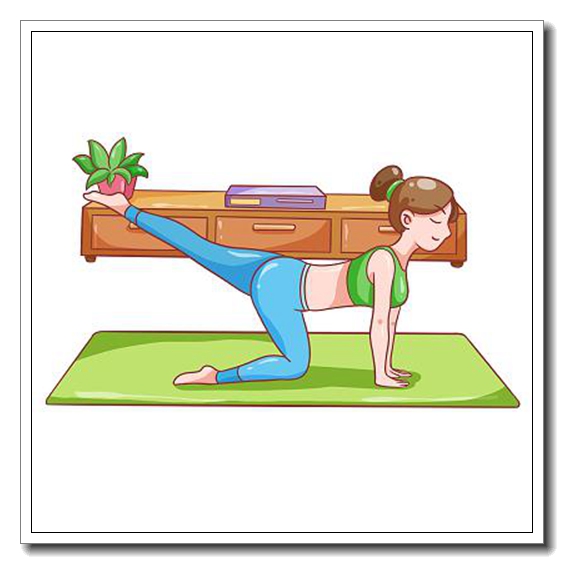
In the vast landscape of self-improvement and personal development, the concept of turning knowledge into action is paramount. And in the realm of Chinese philosophy and self-cultivation, the term
身体力行 (Shéntǐ lìxíng)
encapsulates this crucial idea perfectly. Often translated as “to personally put into practice” or “to do with one’s own body,” Shéntǐ lìxíng is more than just a phrase; it’s a philosophy, a way of life that emphasizes the importance of experientiallearning and embodied knowledge.
Understanding 身体力行
Shéntǐ lìxíng literally translates to “body” (身体 – shēntǐ), “effort” or “strength” (力 – lì), and “to go” or “to act” (行 -xíng). The core message is clear: true understanding doesn’t come solely from intellectual pursuits or passive absorption of information. It requires active engagement, direct experience, and the consistent application of effort to integrate new knowledge into one’s being.
Consider the difference between reading aboutswimming and actually jumping in the water. One provides theoretical understanding, the other leads to the practical skills and embodied knowledge that transforms you into a swimmer. This principle extends to all areas of life, from learning a new language to mastering a musical instrument, from developing a healthy lifestyle to cultivating positive character traits.
The Benefits of Embodied Learning
Embracing Shéntǐ lìxíng offers a wealth of benefits:
-
Deeper Understanding:
Active practice fosters a more profound understanding than passive learning. Experiencing the challenges, successes, and failures of puttingtheory into practice solidifies knowledge in a way that mere reading or listening cannot. -
Enhanced Skill Development:
Consistent practice is the cornerstone of skill acquisition. By repeatedly applying learned concepts, we refine our abilities, develop muscle memory, and become more proficient. -
Increased Confidence:
The morewe practice and the more we successfully apply our knowledge, the more confident we become in our abilities. This self-efficacy positively impacts our overall well-being. -
Cultivation of Discipline:
Shéntǐ lìxíng encourages discipline, as it requires consistent effort and perseverance in the face of challenges. This discipline translates to other areas of life. -
Personal Growth:
Through the process of practicing and refining, we grow as individuals. We learn from our mistakes, adapt to new situations, and ultimately become more resilient and capable.
Putting 身体力行 intoPractice
Integrating Shéntǐ lìxíng into your life requires a conscious commitment to action:
-
Set Clear Goals:
Define what you want to achieve, whether it’s learning a new skill, improving your health, or developing a positive habit. -
Break Down Tasks:
Divide your goals into smaller, manageable steps. This makes the process less daunting and provides a sense of accomplishment along the way. -
Practice Consistently:
Establish a regular practice schedule, even if it’s just for a short period each day. Consistency is key. -
Embrace Mistakes:
View mistakes as opportunities for learning. Don’t be discouraged by setbacks; use them to refine your approach. -
Seek Feedback:
Get feedback from others, whether it’s a teacher, mentor, or friend. This can help you identify areas forimprovement. -
Reflect and Adjust:
Regularly reflect on your progress and make adjustments to your approach as needed.
By embracing the philosophy of Shéntǐ lìxíng, you can transform abstract knowledge into tangible skills, cultivate deeper understanding, and unlockyour full potential.
“Do not be afraid of going slowly; be afraid only of standing still.” – Chinese Proverb (often associated with 身体力行)