

Improving Your Spoken English with Real-Life Sentences About Body Movements and Functions
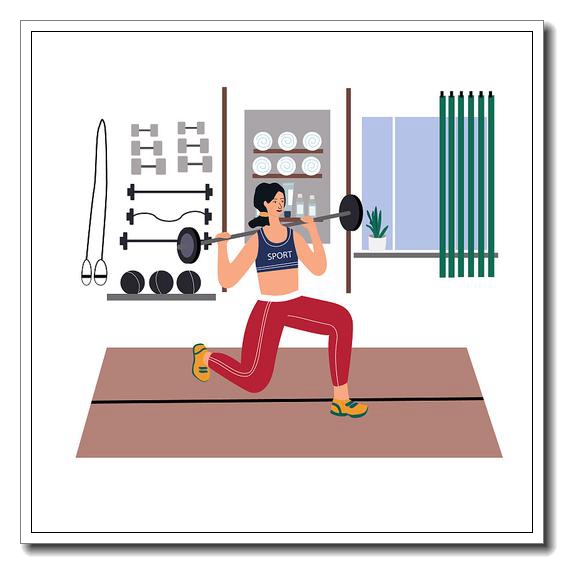
Improving your spoken English becomes both engaging and effective when you practice with real-life sentences related to everyday experiences—such as body movements and functions. Instead of memorizing isolated words or abstract phrases, using practical language that describes actions like walking, stretching, breathing, or feeling tired connects vocabulary to real situations. For example, saying “I stretch every morning to wake up my muscles” or “My legs feel stiff after sitting all day” allows you to express personal experiences while reinforcing correct grammar and pronunciation. These types of sentences not only expand your vocabulary but also improve fluency by encouraging natural rhythm and intonation. By incorporating common bodily actions into daily conversations—like “I couldn’t stop coughing during the meeting” or “Take a deep breath if you’re feeling stressed”—you train yourself to respond spontaneously in English. Over time, practicing with context-rich, physical expressions builds confidence and makes communication more vivid and relatable. So next time you describe how you feel or what you’re doing, focus on your body’s role—and watch your spoken English grow more dynamic and authentic.