

English for Describing Exercise
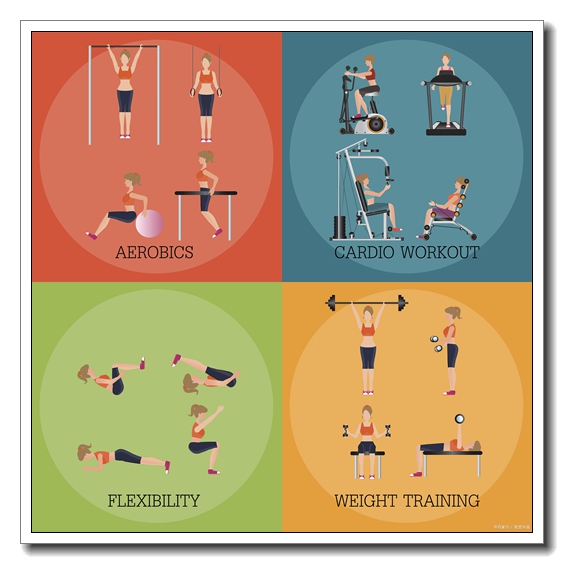
This article provides vocabulary and phrases for describing different types of exercise, intensity, and feelings during a workout. Knowing how to describe your exercise routine effectively can help you communicate with trainers, friends, and family, and track your progress more accurately.
Types of Exercise
Cardio
- Running/Jogging
- Cycling
- Swimming
- Dancing
- EllipticalTraining
- Jumping Jacks
- Stair Climbing
- High-Intensity Interval Training (HIIT)
Strength Training
- Weightlifting
- Bodyweight exercises (e.g., push-ups, squats, lunges)
- Resistance bands
- Gym classes (e.g., Crossfit)
Flexibility and Stretching
- Yoga
- Pilates
- Stretching routines
Describing Intensity
Using precise language helps others understand your workout and allows you to track your efforts:
-
Light intensity:
Easy, gentle, slow pace -
Moderate intensity:
Slightly challenging, noticeable increase in heart rate, can still hold a conversation -
High intensity:
Difficult, significant increase in heart rate, struggle to talk -
Maximum intensity:
Verydifficult, very high heart rate, barely able to breathe
Describing Feelings
It’s important to describe how you feel during and after exercise:
-
Exhausted:
Very tired -
Sore:
Muscle pain -
Motivated:
Feeling driven to continue -
Refreshed:
Feeling invigorated and energized -
Stressed:
Feeling tense or anxious -
Happy/content:
Feeling good about exercise
Remember to use these words and phrases in context to fully express your experience with exercise. Experiment with different descriptions to find whatbest fits your experience.